
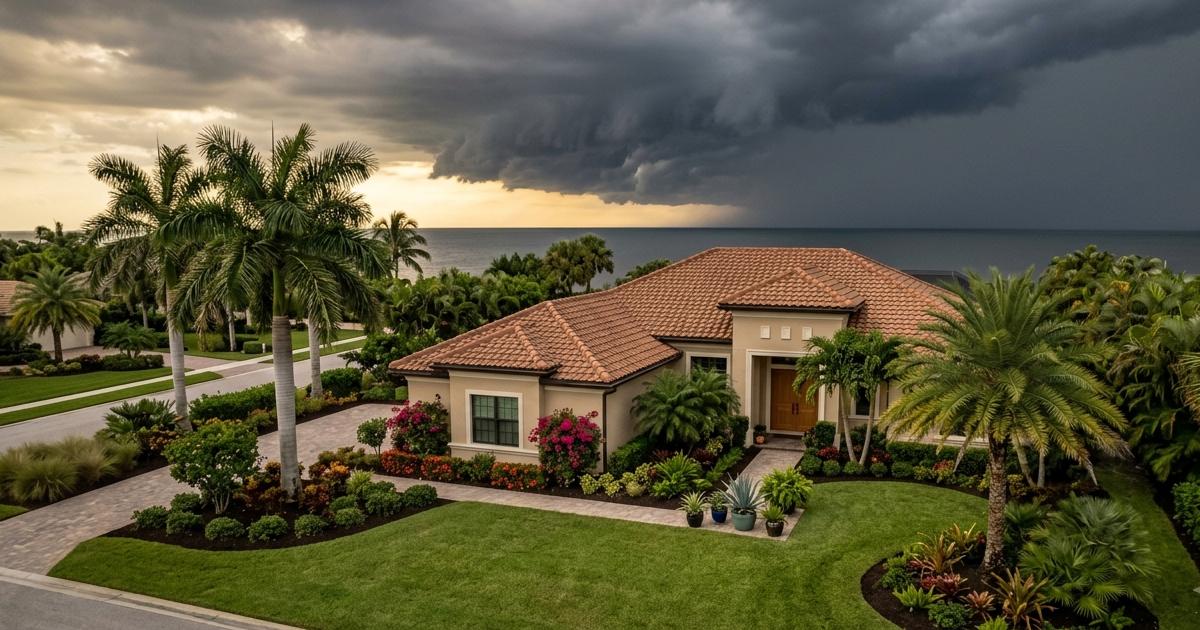

Living in Southwest Florida is a privilege. The warm climate, lush greenery, and breathtaking natural beauty make this one of the most desirable places in the country to call home. But with that beauty comes a responsibility that every homeowner and commercial property owner must take seriously — preparing for hurricane season. From June through November, the Gulf Coast faces the very real possibility of tropical storms and hurricanes that can devastate unprepared landscapes in a matter of hours.
At Rise Architectural Design Group, we believe that a truly great landscape is not just beautiful — it is built to endure. With over seven years of experience designing, installing, and maintaining landscapes across Southwest Florida, we have seen firsthand what separates the properties that recover quickly from those that suffer serious, costly damage. The difference is almost always preparation, and preparation starts long before a storm is on the radar.
Why Your Landscape Is Your Property's First Line of Defense
Most homeowners think of their landscape primarily in terms of aesthetics — and rightfully so. A well-designed outdoor space adds tremendous value, curb appeal, and enjoyment to your property. But your landscape also plays a critical functional role when severe weather strikes. Trees, shrubs, palms, and even your lawn all interact with wind, water, and debris in ways that can either protect your home or amplify the damage a storm causes.
Poorly maintained trees with weak branch structure become projectiles in high winds. Overgrown shrubs press against structures and create pressure points. Inadequate drainage turns your yard into a retention pond that threatens your foundation. Understanding these dynamics is essential to making smart landscaping decisions before hurricane season is upon you.
The Risk of Deferred Maintenance
One of the most common mistakes property owners make is waiting until a storm is approaching to think about their landscape. Pruning large trees, addressing drainage issues, and reinforcing plant installations all require time — time you simply do not have when a category three hurricane is forty-eight hours away. A proactive landscape maintenance program that keeps your property in peak condition throughout the year is far more effective and far less stressful than last-minute scrambling.
Design Matters From the Start
The best hurricane-resistant landscapes are not accidents. They are the result of intentional design choices made during the planning phase. When Rise ADG designs a new landscape installation, we factor in the specific wind exposure of your property, the structural characteristics of the trees and palms we select, and the drainage patterns of your site. These decisions made before a single plant goes in the ground have an enormous impact on how your landscape performs when severe weather arrives.
Smart Plant and Tree Selection for Wind Resistance
Not all plants are created equal when it comes to surviving a Florida hurricane. The species you choose for your landscape, and where you place them, makes a significant difference in how your property weathers a major storm event.
Palms: The Florida Icon That Actually Performs
One of the most encouraging realities of landscaping in Southwest Florida is that many of our most iconic plants are naturally well-suited to hurricane conditions. Florida native palms, such as the Sabal Palm — our state tree — are remarkably wind-tolerant. Their flexible trunks and feathery fronds bend dramatically in strong winds without snapping, and their root systems are built for the sandy, unstable soils that dominate our region.
When selecting palms for a hurricane-conscious landscape, prioritize species with a proven track record of wind resistance. Sabal Palms, Paurotis Palms, and Sylvester Date Palms are all strong performers. Avoid placing tall, top-heavy species like the Royal Palm in locations where failure would pose a direct threat to structures or people.
Trees: Choosing Structure Over Speed
Shade trees are one of the most valuable elements in any Southwest Florida landscape, providing cooling canopy, visual scale, and habitat for wildlife. But tree selection requires careful thought in our climate. Fast-growing species often develop weaker wood that is more prone to branch failure in high winds. Slower-growing hardwoods like Live Oak, Gumbo Limbo, and Southern Magnolia tend to develop stronger structural integrity over time and perform better in storm conditions.
Placement is equally important. Trees planted too close to your home, screen enclosure, or power lines become a liability as they mature. A professional landscape designer can help you think through sightlines, growth trajectories, and safe clearance distances before you plant.
Groundcovers and Shrubs: Lower Profile, Lower Risk
Your lower-level plantings — groundcovers, shrubs, and ornamental grasses — generally pose less structural risk during a storm, but they are not immune to hurricane damage. Choosing robust, low-profile species and keeping them properly maintained reduces the likelihood that wind and rain will strip or uproot them entirely. Compact, dense shrubs with flexible stems tend to handle wind better than tall, leggy specimens that have been allowed to grow unchecked.
Pre-Season Landscape Maintenance That Makes a Real Difference
The months of April and May represent the ideal window for hurricane preparation work in Southwest Florida. The wet season has not yet arrived, temperatures are manageable for outdoor work, and you have plenty of time to address issues before any storm activity threatens the region. Here is what a thorough pre-season landscape preparation should include:
- Professional tree pruning: Have a qualified horticulture professional assess your trees and perform structural pruning to remove dead, diseased, or crossing branches. This reduces wind resistance and eliminates the weakest failure points.
- Palm trimming: Remove dead and dying fronds from all palms on your property. Loose fronds become dangerous projectiles in high winds and can cause significant damage to structures, vehicles, and neighboring properties.
- Drainage assessment: Walk your property after a heavy rain and note any areas where water pools or moves toward your foundation. Address grading and drainage issues before the rainy season intensifies them.
- Irrigation system check: Verify that your irrigation system is functioning properly and that all heads are positioned correctly. A system that overwaters can saturate soil and weaken root anchorage in trees and shrubs.
- Mulch replenishment: A fresh layer of mulch helps retain moisture during dry periods but also plays a role in stabilizing soil during heavy rainfall events. Ensure mulch is pulled back from the base of trees and structures to prevent rot and moisture intrusion.
- Stake and support review: Check any recently installed trees or palms that are still on support stakes. Ensure stakes and tie materials are in good condition and properly tensioned.
- Inventory and document: Walk your entire property and photograph your landscape. This documentation is invaluable for insurance claims following storm damage.
The Role of a Landscape Maintenance Contract
For both residential estate owners and commercial property managers in Southwest Florida, a professional landscape maintenance contract is one of the smartest investments you can make heading into hurricane season. A dedicated maintenance team that knows your property intimately is far better positioned to identify and address emerging risks than a homeowner who may not know what warning signs to look for. At Rise ADG, our maintenance programs are designed to keep your landscape in optimal health year-round — not just when conditions are perfect.
After the Storm: Recovery and Resilience
Even the best-prepared landscape may sustain some damage in a major hurricane. How you respond in the days and weeks following a storm has a significant impact on how quickly your landscape recovers and how much long-term damage occurs.
Immediate Post-Storm Priorities
Once it is safe to be outside, begin with a careful assessment of your property. Do not rush to remove downed trees or large debris without proper equipment and expertise — chainsaw injuries spike dramatically in the days following hurricanes. Contact your landscape professional to assist with structural debris removal, damaged tree assessment, and triage of your plant material.
Give plants that have been uprooted or blown over a chance before writing them off entirely. Many tropical plants are surprisingly resilient and can be righted, staked, and recovered with proper care. Palms in particular often survive storms that appear to have knocked them down completely, provided their root systems remain largely intact.
Rebuilding With Purpose
Storm damage, while deeply frustrating, presents an opportunity to reassess and improve your landscape design. Many property owners choose to make strategic upgrades following a major storm — improving drainage systems, replacing poorly positioned trees with better-suited species, or expanding hardscape areas that proved more storm-resilient than planted zones. Rise ADG has helped countless Southwest Florida homeowners and commercial property owners not just restore their landscapes after storm events, but genuinely improve them in the process.
Partner With a Team That Knows Southwest Florida
Hurricane preparedness is not a one-size-fits-all checklist. Every property in Southwest Florida has unique characteristics — its proximity to the coast, its soil type, its existing tree canopy, and its drainage patterns all influence how it should be prepared and how it will respond to a storm. Working with a local, experienced landscape professional who understands these nuances is essential.
At Rise Architectural Design Group, we have been serving Southwest Florida since 2017, and hurricane season is a reality we plan for with every single client. Our team, led by FNGLA Certified Horticulture Professional John Gargano, brings both technical expertise and a genuine passion for creating landscapes that are as resilient as they are beautiful. We believe that stewarding the land responsibly means building outdoor spaces that can weather whatever this extraordinary region throws at them — and emerge looking magnificent on the other side.
If your landscape is not yet hurricane-ready, there is no better time to take action than right now. Contact Rise ADG today to schedule a landscape assessment and let us help you build a property that stands strong through every season Southwest Florida has to offer.